
Seven Days, Five Matches, Two Back-to-Backs: For Bangladesh, the Real Opponent Is the Calendar
**कोर उत्तर**: बांग्लादेश पुरुष हॉकी टीम की असली परीक्षा कैलेंडर है: सात दिन में पाँच मैच, जिनमें दो बैक-टू-बैक जोड़े (29-30 अक्टूबर, 1-2 नवंबर), और तैयारी के लिए सिर्फ़ दो हफ़्ते का कैंप। बेंच की गहराई, पेनल्टी कॉर्नर डेटा की अनुपलब्धता और पहले दिन मेज़बान के ख़िलाफ़ गोल डिफरेंस का जोखिम ही असली चर हैं। **मुख्य तथ्य**: - फ़िक्स्चर तिथियाँ: 27, 29, 30 अक्टूबर और 1, 2 नवंबर; सेमीफ़ाइनल तथा प्लेसमेंट 4 नवंबर, फ़ाइनल 5 नवंबर। - प्रारूप: छह टीमें, सिंगल राउंड-रॉबिन, टॉप चार सेमीफ़ाइनल में; चौथा स्थान अक्सर गोल डिफरेंस से तय। - तैयारी: दो हफ़्ते का इंटेंसिव कैंप; कोच का ज़ोर फिटनेस और टैक्टिकल खेल पर। - बांग्लादेश की FIH रैंकिंग 30-35 बैंड में अनुमानित; पाँचों प्रतिद्वंद्वी एशियाई क्रम में ऊपर। - ACT ओलंपिक कोटा मार्ग नहीं; एशियाई खेलों का स्वर्ण ही एशियाई कोटा देता है। **स्रोत**: टीम रवानगी ब्रीफ़, बायलाइन AZ/AHS; प्रकाशन तिथि मूल ब्रीफ़ में उल्लिखित नहीं। संस्करण, स्थान और छह-टीम सूची की स्वतंत्र पुष्टि नहीं हुई — दावे अत्यधिक सावधानी से पढ़ें। **संबंधित प्रश्न-उत्तर**: प्रश्न: बांग्लादेश के लिए सबसे बड़ा जोखिम क्या है? उत्तर: सात दिन में पाँच मैचों का घनत्व, जो पतले रोस्टर पर बेंच-डेप्थ की परीक्षा बन जाता है। प्रश्न: क्या ACT से ओलंपिक कोटा मिलता है? उत्तर: नहीं; एशियाई खेलों का स्वर्ण पदक एशियाई ओलंपिक कोटा देता है, ACT अंक और अनुभव देता है। प्रश्न: किस आँकड़े का सबसे ज़्यादा अभाव है? उत्तर: पेनल्टी कॉर्नर कन्वर्ज़न और डिफेंस का, जो तीसरे स्तर की टीमों के कुल स्कोरिंग का बड़ा हिस्सा तय करता है।
The sheet pinned on the team hotel wall in Dhaka, the night before departure, carried no opponent's name. It carried dates: 27 October, 29 October, 30 October, 1 November, 2 November. Five matches in seven days, with two pairs separated by not a single rest day. Four quarters, fifteen minutes each, unlimited rolling substitution — the rulebook itself concedes that the bench is part of the pitch.
A side coming out of a two-week camp has seven days in which to spend everything that camp built. This is exactly where tactical analysis begins: where the system stops explaining itself. The Bangladesh men's hockey team has departed for the Asian Champions Trophy — six teams, a single round robin, the top four into the semifinals, with 4-5 November fixed for the placement match and final. What the brief actually contains is dates, opponent names and one captain's quote.
Context: six teams, one circle, a very short calendar
The format is simple. A single round robin gives every side five matches, and in a six-team field the fourth semifinal berth is frequently settled on goal difference. The five names opposite Bangladesh — India, Malaysia, South Korea, Japan, China — all sit above it in the Asian hierarchy. This is a draw with no soft fixture in it, no weak side against which numbers can be padded.
Bangladesh's FIH world ranking is generally read as sitting in the 30-35 band, outside the group that contests continental finals. One caveat matters here: for teams in that band, ranking points are generated largely by frequency of participation in ranking-bearing events. A side that plays few sanctioned matches can be simultaneously under-ranked and outperforming its ranking in one-off continental fixtures. The ranking should be treated as a wide confidence band, not a point estimate.
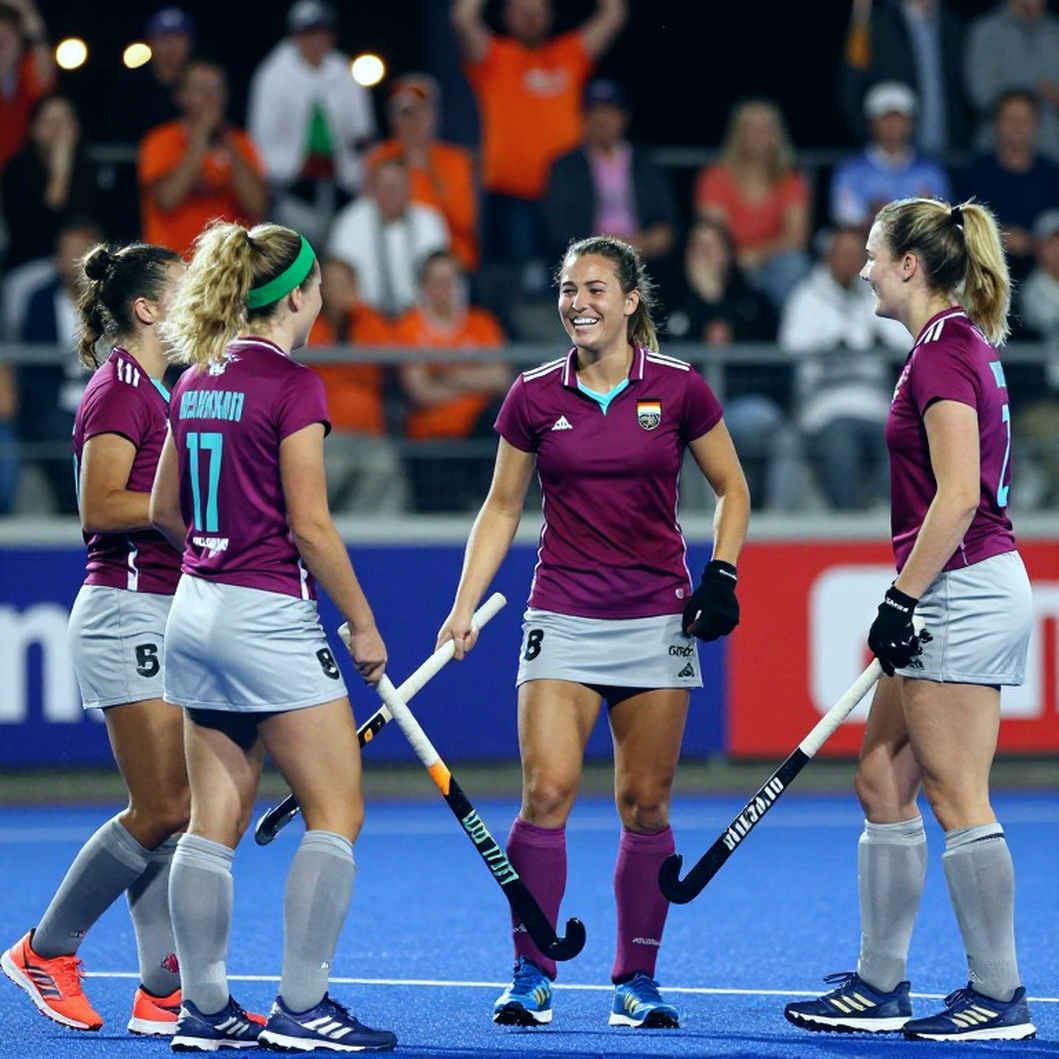
The only solid preparation signal available is a two-week intensive camp, with the coach citing fitness and tactical play as the emphasis. The captain's statement is process language — give our best in every match — with no performance target attached: no semifinal, no top-four, not even an explicit aim to avoid last place.
A point of transparency belongs here. The edition, venue and host named in the brief do not reconcile with the verified competition record: 2026 Chennai and 2026 Hulunbuir both differ in host and window, and the absence of Pakistan from a six-team ACT list cuts against the event's history. This piece is therefore not a match prediction. It is a preparatory assessment of a programme entering a continental tournament about which almost no public data exists.
Core: the calendar is the tactic
Five matches in seven days, including two zero-rest turnarounds, is a larger variable than any tactical plan. Rolling substitution does not make fatigue disappear; it makes fatigue purchasable with bench depth. A side with eight or nine trusted players cannot sustain the same pressing intensity into the third quarter. The 29-to-30 October and 1-to-2 November pairings are not just about legs — they are about the quality of decisions.
Read it the way a track coach reads a 400m: every split has to be run as a separate race, the body stays the same, recovery time collapses to zero. Hockey's four quarters run on precisely that logic, and five matches in seven days stretches it to the breaking point. The comparison carries weight here because it holds the whole argument together — Bangladesh is competing against the length of its own bench, not against any single opponent.
A two-week camp is too short for structural change but sufficient to install set pieces and top up fitness. Fourteen days do not change pressing triggers or build-up patterns; what changes is penalty-corner preparation and defensive discipline inside the 23-metre line. Yet the brief mentions neither a low block, nor 23m organisation, nor penalty-corner defence. What was said reads as a media-facing template rather than disclosed tactical intent.
Opening against the host and the strongest side in the field on day one is a trap. This is not a loss risk; it is a tournament-position risk. In a six-team round robin the fourth place is often decided on goal difference, and a damaged differential on day one forces the remaining four matches to be played against arithmetic rather than against opponents — before the squad has even adjusted to tournament tempo and Indian conditions.
The largest open door is the penalty corner. No drag-flicker is named, no first runner, no conversion rate. For a Tier-3 side, the penalty corner typically carries an outsized share of total scoring, and it is precisely the area about which nothing is known here. At the 2026 World Cup in Bhubaneswar I watched India earn eight penalty corners and convert one; the defeat on the pitch was a story of a midfield losing control, but the scoreboard turned it into a story about conversion. A team whose corner data is unavailable also carries an invisible risk.
On style, whatever can be said must be labelled inference. South Asian programmes below India and Pakistan typically show a skill-first, individual-dribbling profile with thin collective structure, are vulnerable to the high press in build-up, and show a marked physical drop-off in Q3 and Q4. Against India's and Malaysia's structured possession-and-press models, that profile tends to produce territorial collapse rather than controlled defeat. That is inference, not evidence.
Contrarian: what the statement is silent about
Emphasising fitness and tactical play is not news. An honest account of preparing a Tier-3 side for five superior opponents would lead with three things: the low block, defensive organisation inside 23 metres, and penalty-corner defence. None of the three appears in public. And when a target is left unspoken, the internal target has usually been lowered first. Not asking the captain for a results target is risk management by the federation, not a game model.
The status of the event also needs stating plainly. The ACT is not an Olympic qualification route — the Asian Games champion holds the direct Asian berth. The ACT offers ranking points and exposure. Which means the measure of success for Bangladesh is not a semifinal; it is minutes for younger players and points on the board. A rising star is a future argument before it becomes a headline, and this team has a week in which to write that argument.
One further truth the trophy glare hides: in a hockey country where players hold jobs or club commitments, a two-week camp is a budget constraint, not a federation's negligence. Structural limits cannot be fixed by calling them laziness.
Takeaway
The real examination is on 4 November, in the placement match, where the team's actual final will be played — and that match is usually played in a near-empty stadium, where silence becomes a tactical variable and every player has to hear his own voice.

Watch three things this week. First, the goal differential after the 45th minute, where bench depth tells the truth. Second, how many penalty corners the side concedes and, more importantly, how it defends them. Third, how long the younger players stay on the pitch rather than how the scoreboard reads. The result will be the last line. The honesty of the preparation will sit above it.